.svg)
.svg)

.jpg)
.jpg)
.png)
.png)
.svg)
When the draft version of Form 1099-DA was first released in 2024, the crypto accounting community was up in arms. The reporting requirements seemed steep. In addition to normal TIN information, the form reported the digital asset name, date acquired, date disposed, proceeds, cost basis, units transferred in and more. I was skeptical that brokers like Coinbase would have this information handy, especially for activity that happened off their platform (i.e. how would Coinbase know the cost basis for assets sold on their exchange)? It turned out that my doubts have been confirmed after I received my first 1099-DA for tax year 2025.
But First, a History Lesson on Form 1099-DA
The IRS Form 1099-DA, designed for reporting digital asset proceeds from broker transactions, originated with the Infrastructure Investment and Jobs Act of 2021, which broadened broker reporting obligations to crypto platforms. Proposed regulations emerged in August 2023, followed by a draft form in April 2024 and finalization in early 2025, mandating gross proceeds reporting for 2025 transactions filed in 2026 (just sales proceeds, not cost basis information). The point of Form 1099-DA is compliance: crypto transactions have notoriously been under-reported, so the IRS is forcing brokers to disclose this information now.
My First 1099-DA from Coinbase
A few days ago, I logged into Coinbase and downloaded my first Form 1099-DA. See an excerpt below:
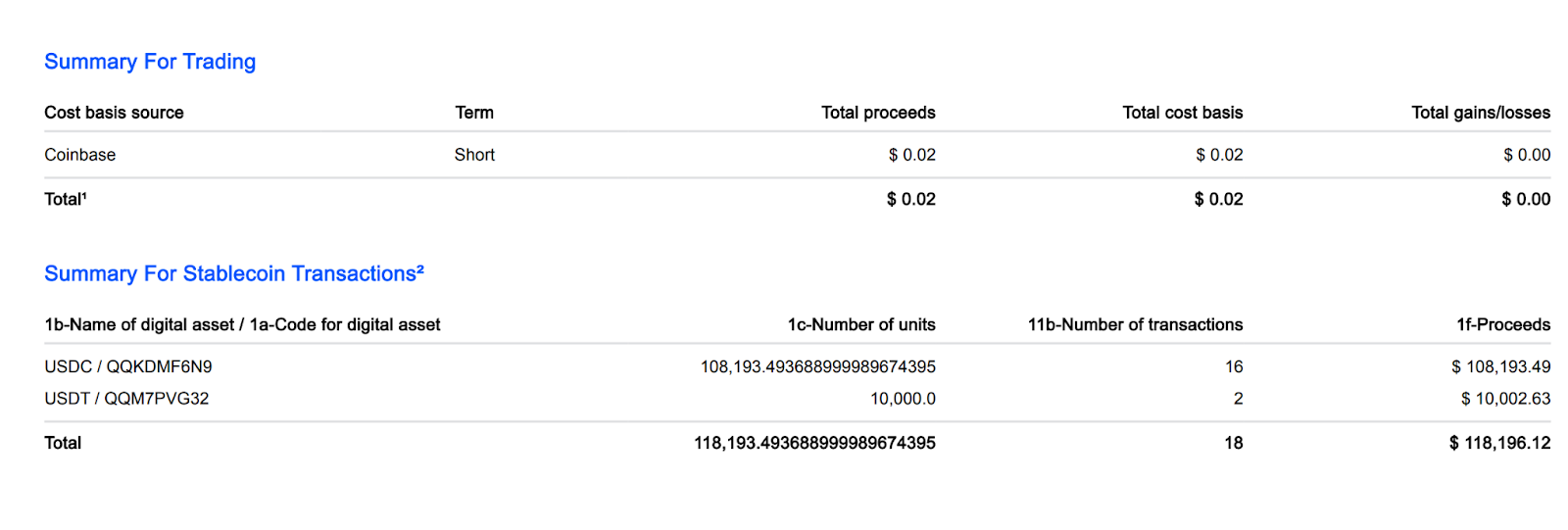
At first glance, the form looked…sparse. I had no trading on Coinbase besides stablecoin to USD conversions, and as mentioned above, the 2025 forms have less information than what’s required for 2026. The 2025 form included:
- Digital asset name (in my case, USDC and USDT)
- Number of units sold
- Number of transactions on Coinbase for those assets
- Proceeds (i.e. the amount of USD I received from these conversions)
- TIN information
Coinbase kept repeating “Cost basis is NOT reported to IRS for 2025 transactions,” and I was grateful for that since Coinbase’s UI for entering missing cost basis is bad (more on that later). But first, a few clarifications on what’s reported on Form 1099, per the Coinbase instructions:
Included
- Crypto-to-Cash Sales: Selling crypto for U.S. Dollars (e.g., BTC → USD)
- Crypto-to-Crypto Trades: Exchanging one crypto for another (e.g., BTC → ETH)
- Stablecoin Transactions
- Selling a stablecoin for USD (e.g.,USDC → USD)
- Exchanging one stablecoin for another (e.g., USDC → USDT)
Not included
- Trades outside Coinbase: Any trading activity on non Coinbase platforms like DEXs
- Stablecoin-to-Crypto Trades: Exchanging a stablecoin for a non stablecoin (e.g., USDC → BTC)
- Income & Rewards: Reported on Form 1099-MISC (e.g., staking rewards)
- Derivatives & Futures: Reported on Form 1099-B
- Transfers: Moving crypto from Coinbase to non Coinbase wallets (non taxable)
There’s also the distinction between covered and non-covered assets that relate to Form 1099-DA:
- Covered assets - digital assets acquired on or after January 1, 2026, in an account where the broker provided custodial services (e.g., hosted the wallet), and held there until disposition. Brokers must report gross proceeds, cost basis, and acquisition date for these on Form 1099-DA starting with 2026 transactions (filed in 2027).
- Noncovered assets - Any digital asset not meeting covered criteria
- The broker just has to report gross proceeds
- Box 9 and 10 on the 1099-DA call out these noncovered assets and the reason why they are not covered

Manually Setting Cost Basis in Coinbase
A few days ago, I received this email from Coinbase alerting me to missing cost basis in my account.

Since I'm a curious crypto accountant, I was excited to go through this process, even though Coinbase doesn’t need my cost basis for 2025 (it’s not reported in my 1099-DA until 2026). To add the missing basis, I headed to Accounting → Taxes → Add Missing Cost Basis info:
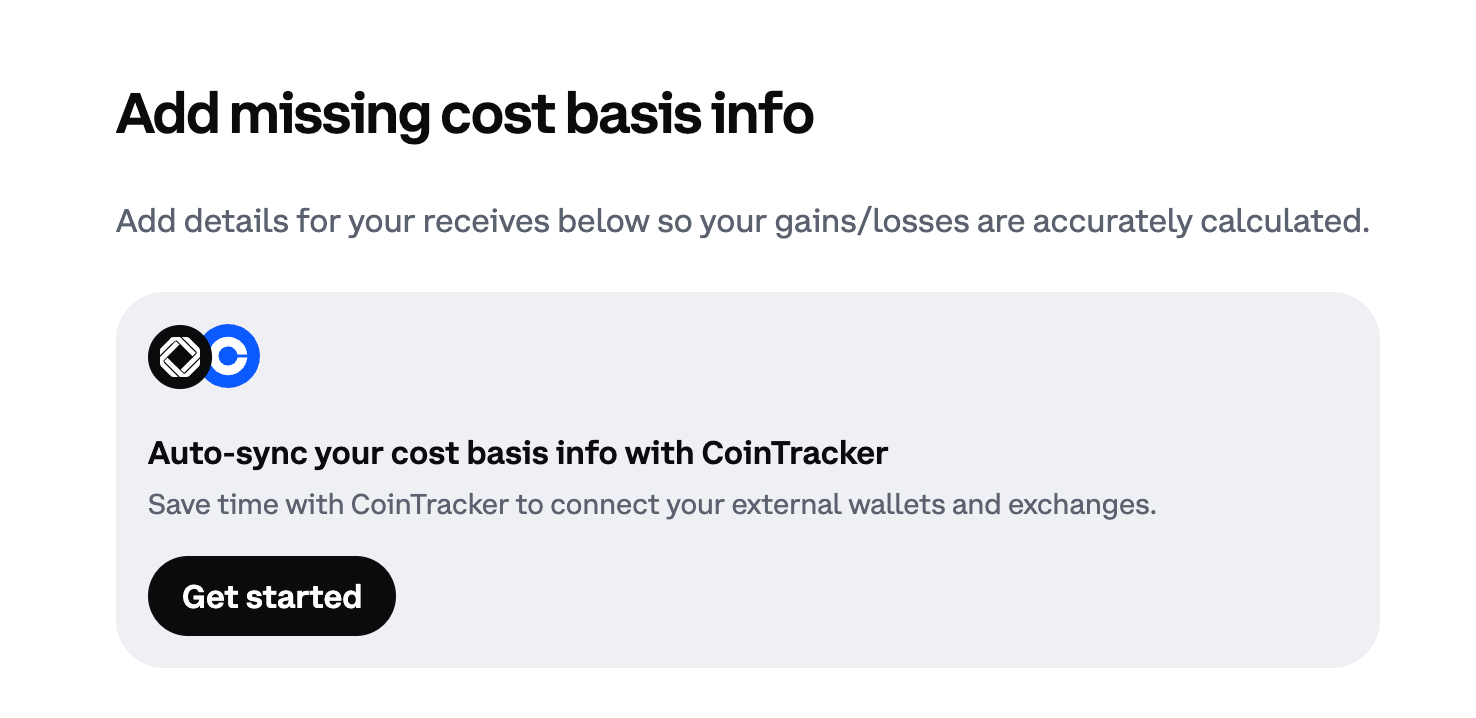
The process was painful. For every deposit into my Coinbase account, I had to manually add the date acquired and cost basis transferred in - and if the deposit consisted of multiple lots, I had to “split” the deposit by lot and add the date & basis separately (some of my deposits had 15+ lots). When I was initially entering my lots, I accidentally messed up (or I should say, my AI agent messed up) and Coinbase had no way to fix the incorrect information. My Coinbase account was showing inflated gains for 2025 because of this clerical error - which I was nervous about since the IRS could scrutinize this discrepancy. Luckily, Coinbase fixed the bug a few days ago, so I was able to amend my lots and the phantom realized gain evaporated. I made a Loom video here that shows how to correctly enter your basis if you don’t have Cointracker (definitely double check what you enter!)
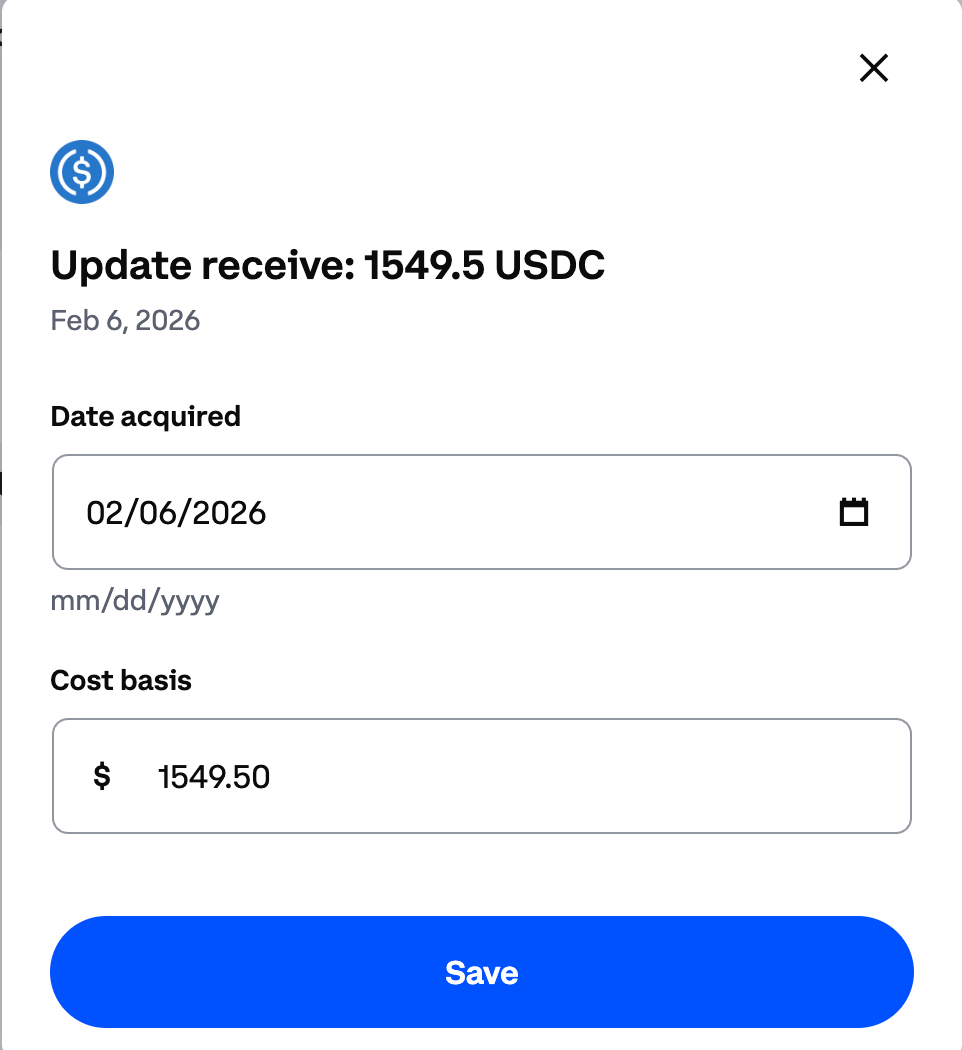
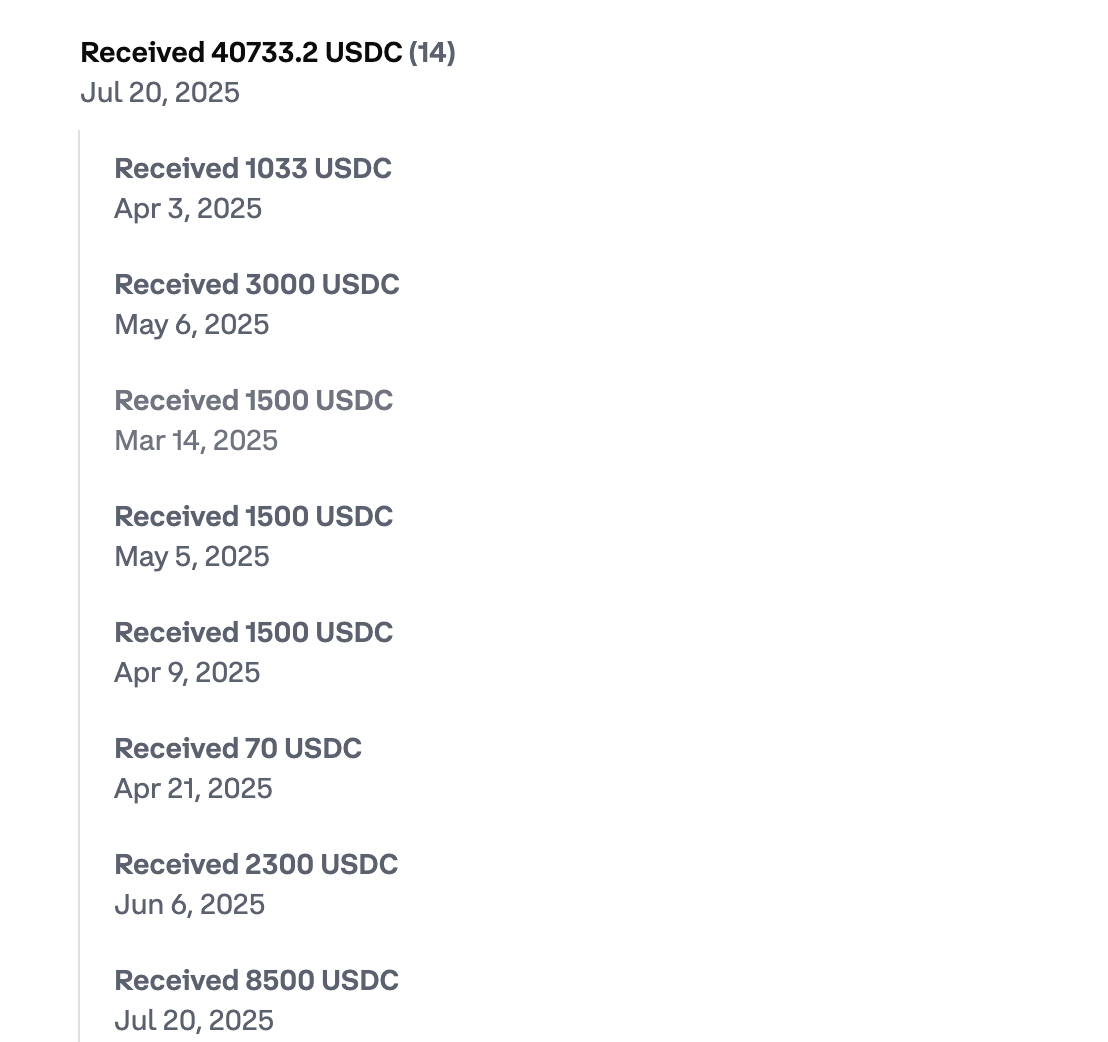
Overall though, the inflexibility and bugs was astounding, considering Coinbase (and all of the crypto brokers) have had over a year to come up with a solution. Their current solution is their partnership with Cointracker. I like Cointracker and I have a few clients on them, but this partnership and the nearly-automated reroute to Cointracker is frustrating. My individual crypto clients use a variety of subledgers like Koinly and Summ, but there is no direct integration between them and Coinbase yet. The cost basis had to be manually typed in, which is frustrating, time-consuming and error-prone, as exemplified above. Coinbase needs to provide automated integrations for the biggest subledgers out there and some kind of csv upload for the smaller ones. If they don’t, there’s going to be huge mismatches between the client’s records and what Coinbase is reporting for cost basis and realized gain/loss - and in the end, the taxpayer suffers.
But on the bright side, this is only the first year of Form 1099-DA, and I believe it’s a step in the right direction. Compliance, while boring, is necessary for an industry to fully mature - we’re just waiting on the vendors to catch up with the increased requirements. Fingers crossed that for next year’s 1099-DA, importing the cost basis is a one-click process. 🤞

.svg)

.svg)

